Energy Resilience Day at SIDEC 2026 drives International Strategic Dialogue on Establishing Energy Resilience as a Key Defence Capability
Energy Resilience Day at SIDEC 2026 drives International Strategic Dialogue on Establishing Energy Resilience as a Key Defence Capability
- Details
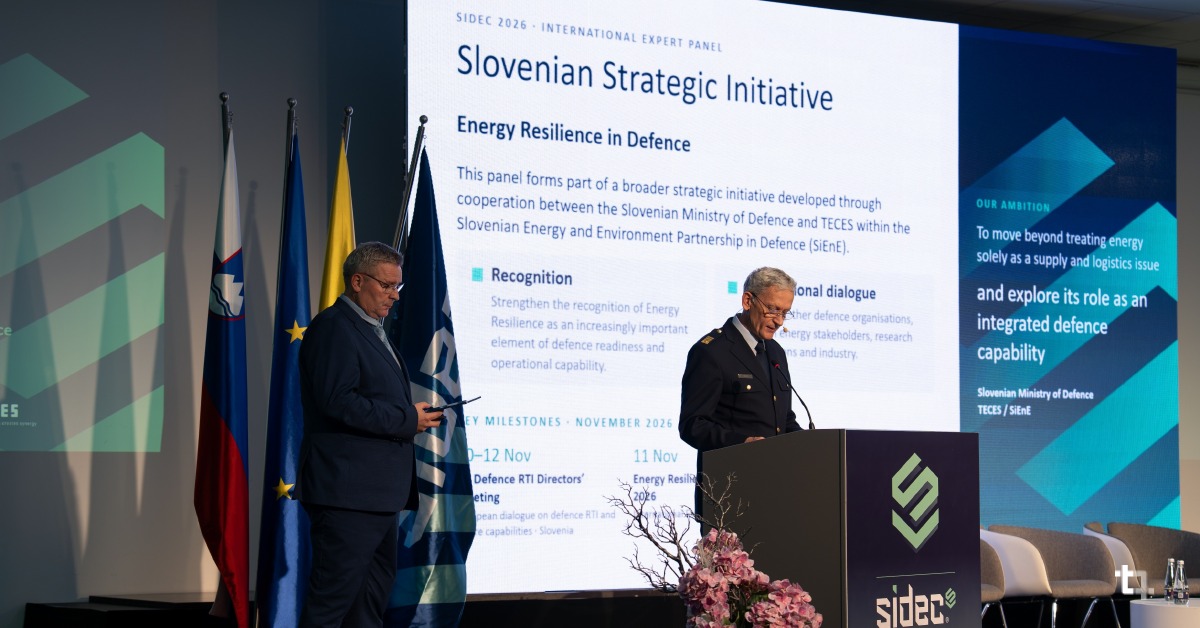
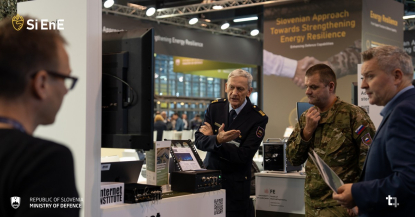
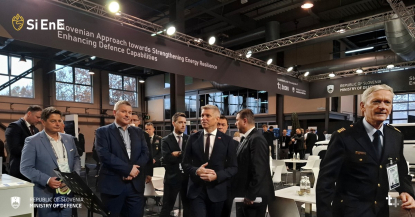
Energy security can no longer be taken for granted. The changing security environment calls for a new approach to energy in defence, prioritising the development of autonomous, resilient and cyber-secure energy systems while reducing energy and logistical dependencies. These challenges were at the heart of Energy Resilience Day, held on 11 November 2026 at the international defence exhibition and conference SIDEC 2026, under the auspices of the Slovenian Partnership for Energy and Environment in Defence (SiEnE), the Slovenian Ministry of Defence (Si MoD) and TECES. The event brought together national and European defence institutions, industry and research organisations for a strategic dialogue on establishing energy resilience as a key defence capability.
The programme highlighted that the central challenge is no longer simply to develop new energy technologies, but to integrate them into autonomous, resilient and operationally deployable systems. Particular attention was given to aligning research and development priorities with the defence sector's actual operational requirements and strengthening national and international cooperation to accelerate the transition from research to practical technological solutions.
International Expert Panel Highlights Energy as a Foundation of Operational Readiness and Defence Capabilities
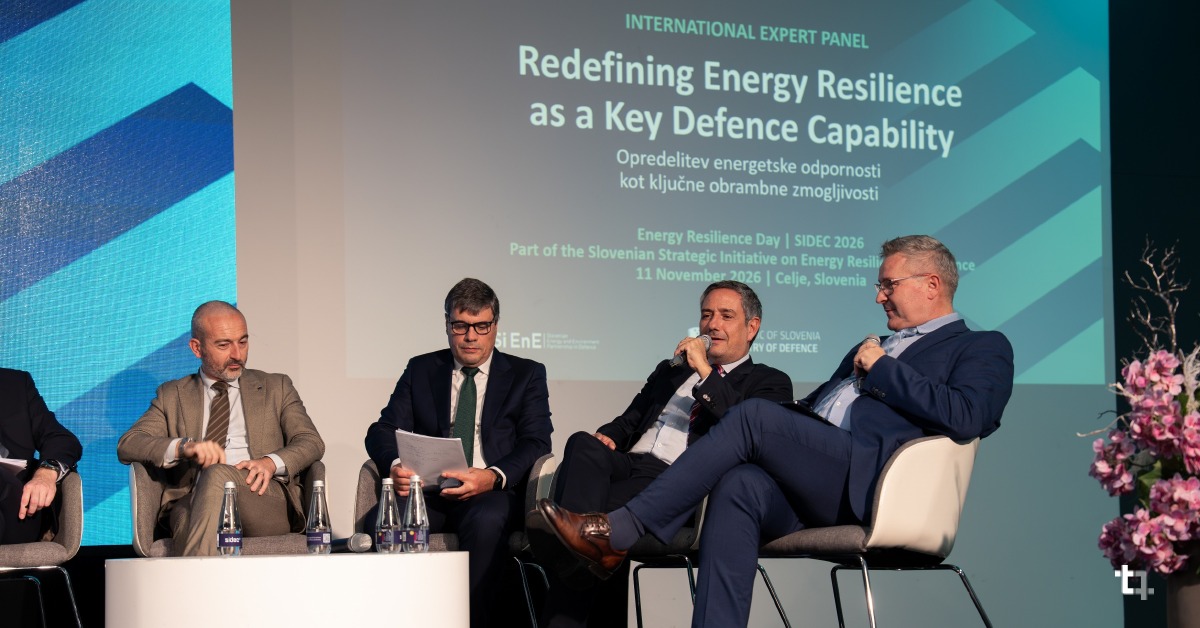
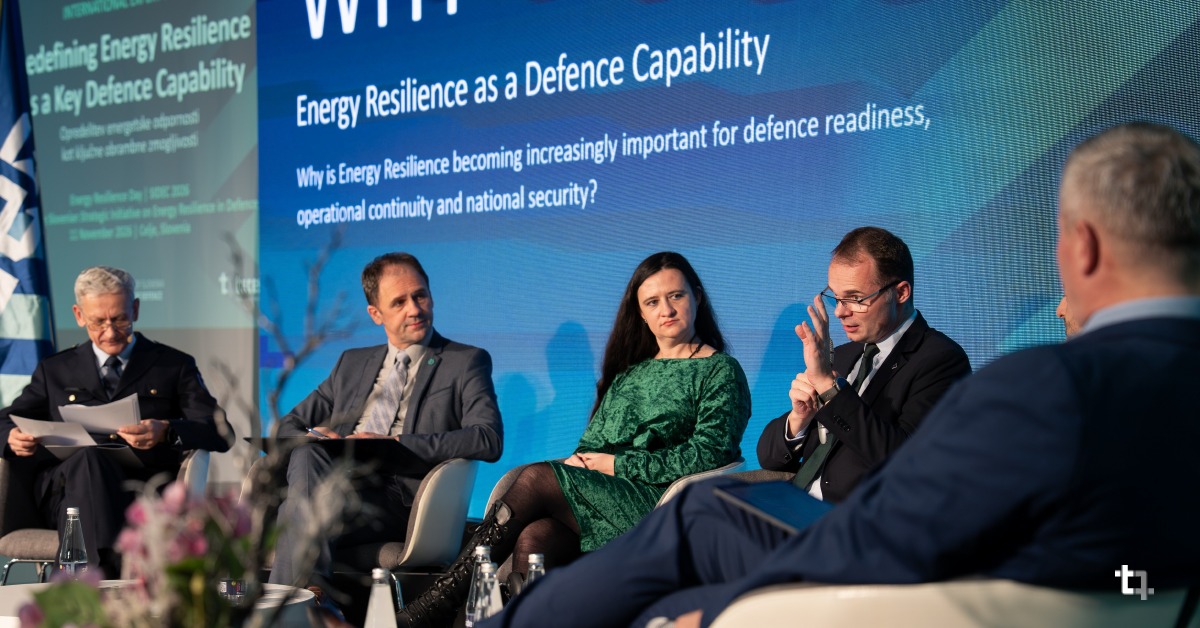
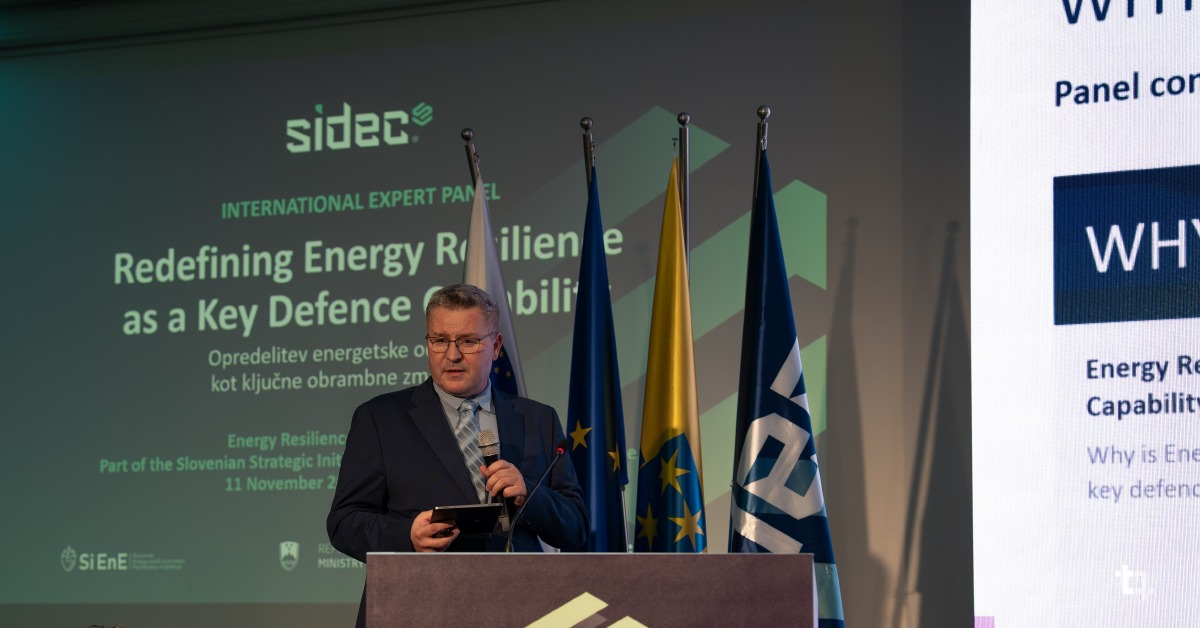
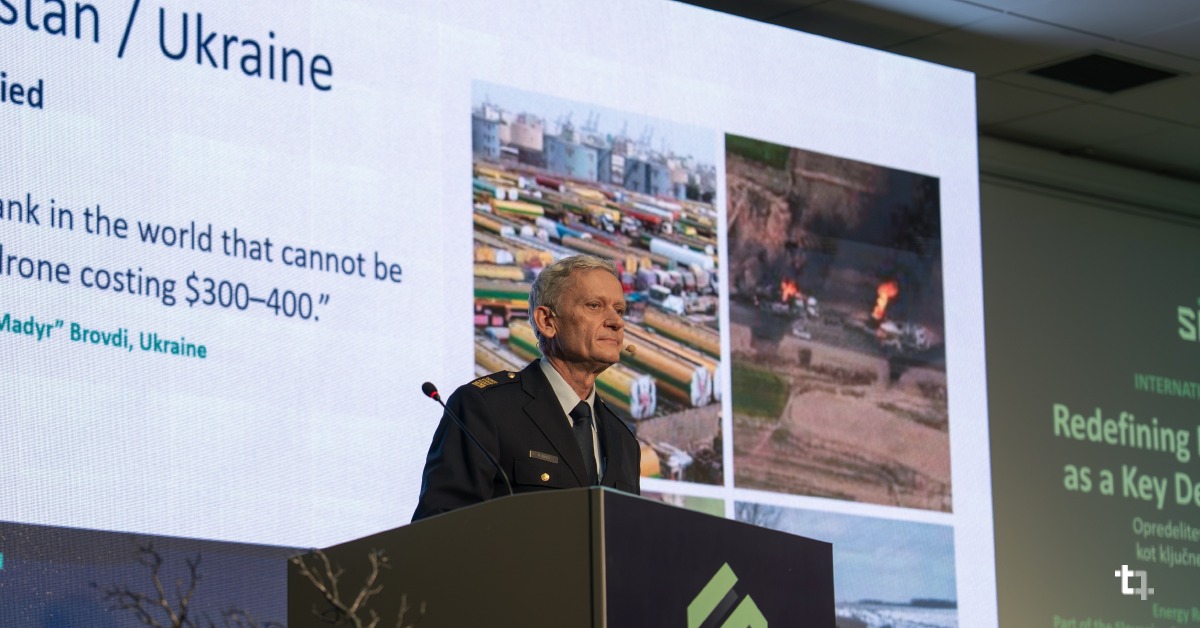
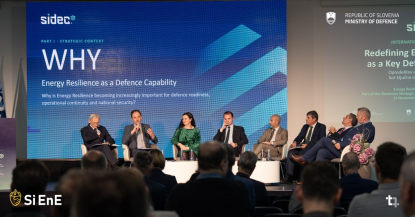
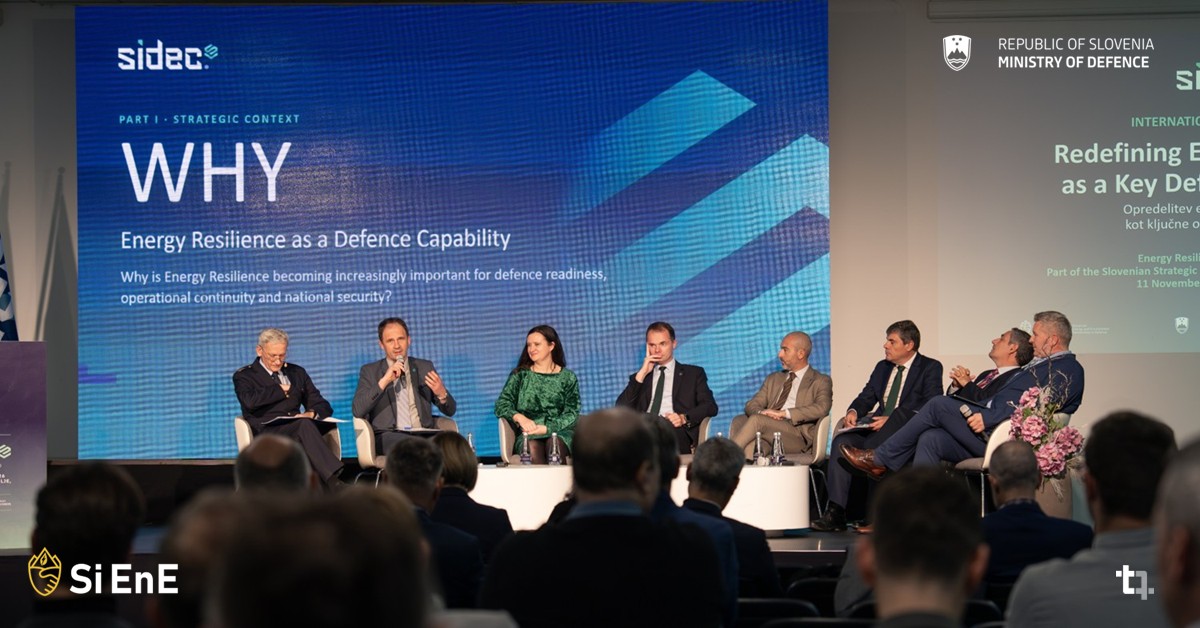
A highlight of the programme was the International expert panel, “Redefining Energy Resilience as a Key Defence Capability”, moderated by Colonel Robert Šipec, Head of the Energy Efficiency and Green Transition Sector at the Slovenian Ministry of Defence, and Matej Gajzer, Director of TECES and President of the SiEnE Partnership.
The panel brought together:
- Dr Tomaž Žagar, State Secretary for Energy, Ministry of Infrastructure and Energy of the Republic of Slovenia;
- Ajda Vodlan, Head of the Military Technology, Research and Development Department, Logistics Directorate, Slovenian Ministry of Defence;
- Michał Wierciński, Deputy Director for Research, Technology and Innovation (RTI) and Head of the EU-funded Defence Research Unit, European Defence Agency (EDA);
- Giuseppe Dello Stritto, Head of the Land Capabilities and Logistics Unit, EDA;
- Juan José Forteza Esteban, Head of Research and Development, THALES España Sistemas, Spain;
- Theodoros Dionysopoulos, Director of Hybrid Energy Systems, INTRACOM DEFENCE, Greece.
The discussion highlighted the need to move beyond the traditional view of energy supply primarily as a matter of reliable delivery. Energy resilience in defence requires a comprehensive approach encompassing the integration of different energy systems, their ability to operate autonomously and in island mode, cybersecurity, and reduced dependence on external energy sources.
Another key focus was the need to direct research and development investment towards the defence sector's actual operational requirements. Domestic industrial and research capabilities, compliance with defence standards and interoperability requirements, and closer alignment between national and European development activities all have an essential role to play.
Participants emphasised that growing awareness of the importance of energy resilience presents an opportunity to define shared development priorities and accelerate the transition from research and development projects to tangible, operationally deployable solutions.
International Energy Resilience Pitches: Innovative Solutions for Energy Resilience
As part of the International Energy Resilience Pitches, companies and research organisations presented technologies designed to strengthen the energy autonomy and resilience of defence systems.
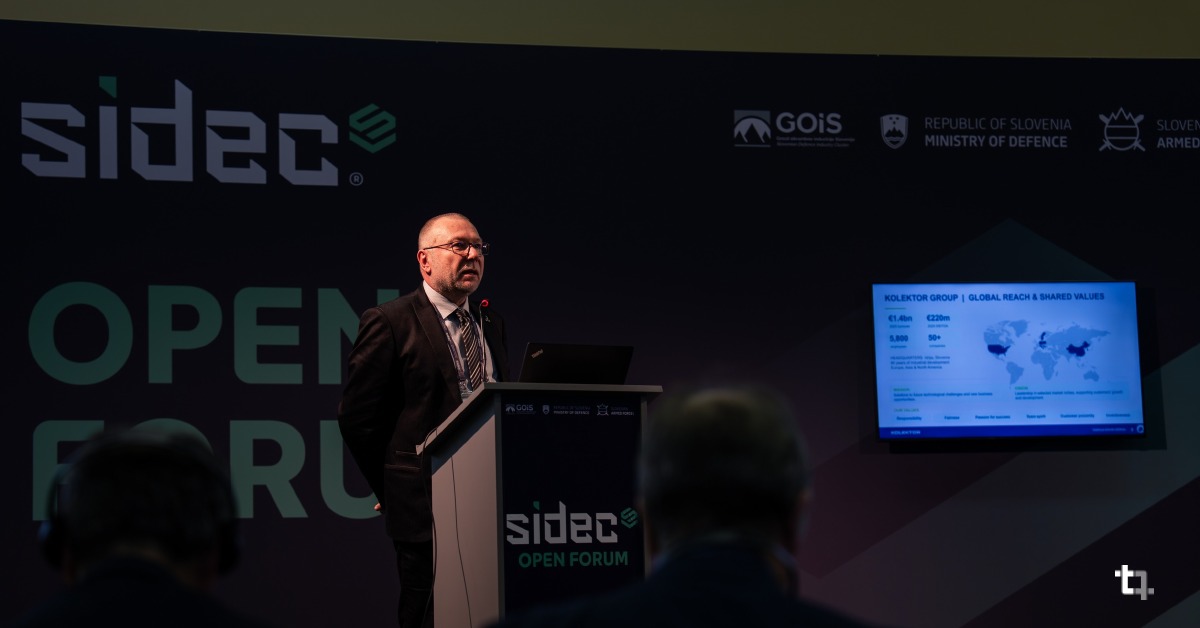
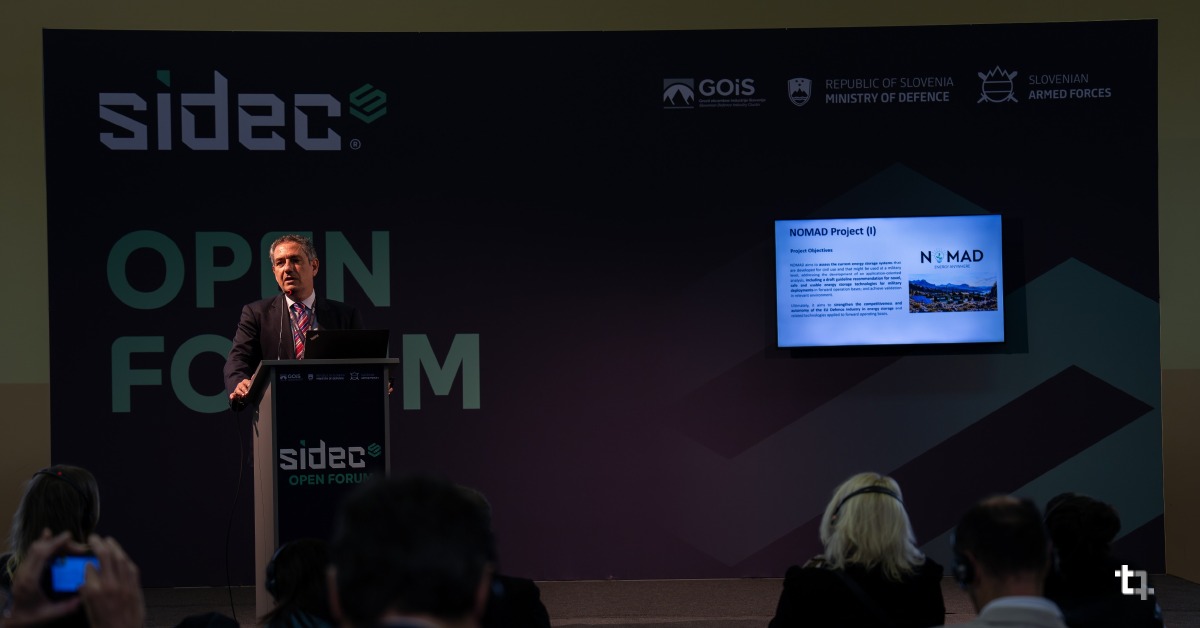
INTRACOM DEFENCE presented energy storage systems for military operational bases developed under the European NOMAD project; AEOLIKI Ltd. showcased hydrogen-based energy solutions; Smartis presented interoperable tactical microgrids; Kolektor Sisteh introduced modular solutions for reliable water and electricity supply; and the Jožef Stefan Institute presented approaches to establishing circular supply chains for rare-earth elements.
The presentations demonstrated the potential of innovative technologies to reduce energy and logistical dependencies while enhancing the operational readiness of defence systems.
From Strategic Dialogue to Concrete Development Opportunities
The international significance of the event was further reinforced by the participation of representatives of the European Defence Agency (EDA) and Research, Technology and Innovation (RTI) Directors from the defence ministries of EDA Member States. The event provided an opportunity to exchange expert perspectives, align development priorities and strengthen European cooperation on energy resilience in defence.
Energy Resilience Day highlighted that establishing energy resilience as a key defence capability requires the integration of strategic objectives, operational requirements, research and development investment, and industrial capabilities.
Through the programme, the SiEnE Partnership, together with the Slovenian Ministry of Defence and TECES, helped connect national and European stakeholders and lay the groundwork for new collaborative development projects and operationally deployable technological solutions.
Additional Information
👥 Katja ERTL.:. ☎️: +386 2 333 13 58 .:. 📧:
Gallery